
Audience and competitor research
Who buys, what they compare you against and where there is room to look different on the shelf.
A brand guideline document is the rulebook for everything you publish: logo usage, colours, type, imagery, tone and the mistakes to avoid. It is how multi-product catalogs stay coherent, how a 22,000-SKU store like Crazy Bros Tees keeps one look, and how freelancers stop guessing.
 4.6 / 5 G2 ratingTrusted by 5000+ sellers
Who buys, what they compare you against and where there is room to look different on the shelf.
Primary and secondary marks, clear space, minimum sizes, backgrounds and misuse examples.
Primary and secondary colours with HEX, RGB and CMYK values and rules for pairing them.
Typefaces, hierarchy and spacing rules for headlines, body and infographics.
Photography style, filters, crops, icon set and how lifestyle images should feel, aligned with our photography studio if we shoot for you.
How the brand speaks in bullets, A+ copy, storefront headlines and customer messages, with examples.
The guidelines applied to listing images, A+ modules, storefront banners, packaging and social profiles.
What third parties, resellers and co-branding partners may and may not do with your assets.
A compiled PDF, editable source files and a short training session for your team or agency.
A questionnaire covering your story, audience, values, competitors and existing assets.
We analyse the category and define the core elements: logo, colour, type and imagery direction.
Each element is designed and documented with rules, examples and misuse cases.
You approve the document, we deliver files and templates and walk your team through it.
The starter rulebook for a single product line.
For catalogs with several lines, channels or outside designers.
Prices are placeholders mirroring the reference structure. Final AiHello pricing is confirmed before work begins.
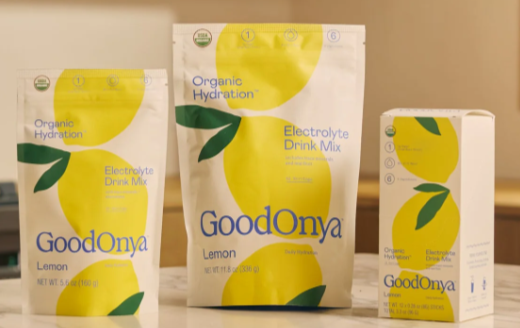
A three-SKU beverage brand and a 22,000-SKU apparel catalog. Guidelines are what let creative scale without drifting.
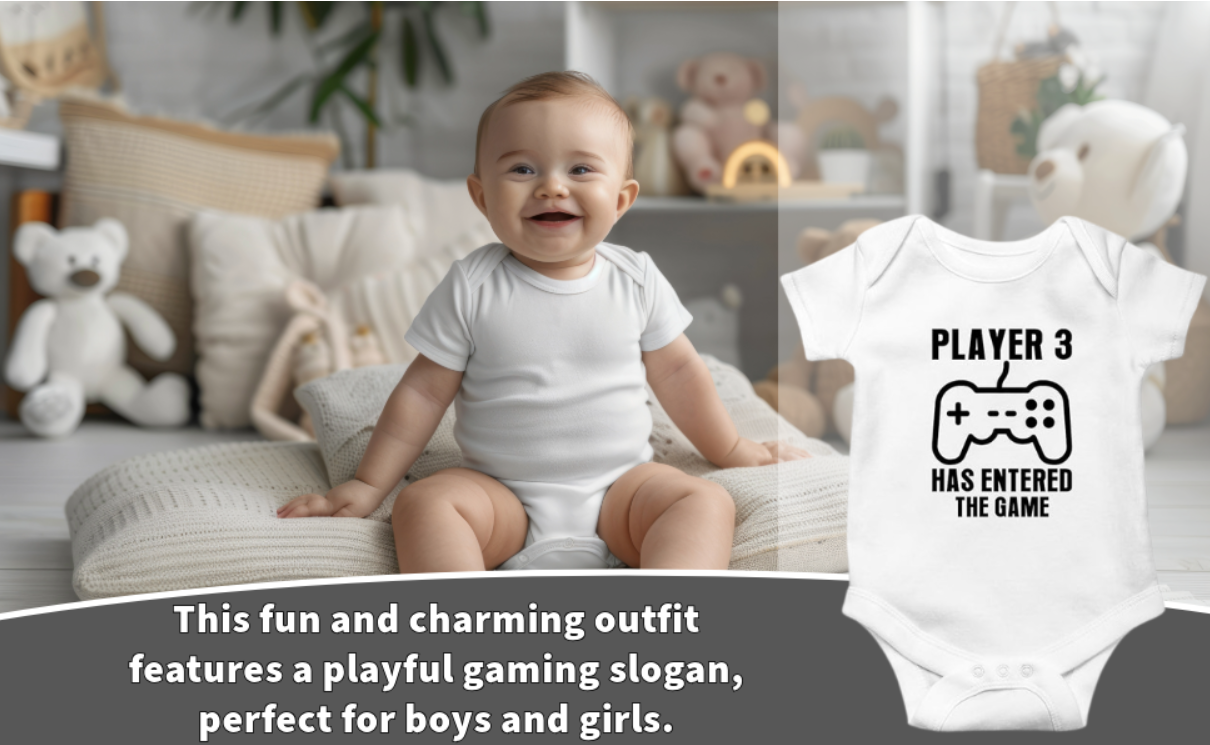
More than 22,000 apparel SKUs with thin margins and rising ad costs. AutoPilot handles every variation nightly while the team protects margin: $2.23M in sales at a 16% true ACoS.
Read the case studyThree SKUs in a crowded niche, stuck at a sales ceiling. Hybrid automation plus a specialist team rebuilt targeting, removed third-party sellers and refreshed the creative: $2.38M in sales at a 14% true ACoS.
Read the case studyIf you have more than a handful of ASINs, or more than one person making creative, yes. Guidelines are what keep the fortieth infographic looking like the first.
The intake questionnaire, any existing logo and packaging files, and examples of brands whose look you admire or want to avoid.
Essential suits a single product line sold mainly on Amazon. Professional is for multi-line catalogs, brands selling across channels including Walmart, and anyone briefing outside designers regularly.
Essential is typically two to three weeks from intake, Professional three to four, depending on how quickly feedback comes back.

Most agencies sell hours. Most tools sell dashboards. AiHello pairs a dedicated specialist with AutoPilot, the automation engine that makes thousands of bid, budget and keyword decisions every night, so the humans on your account spend their time on strategy instead of spreadsheets. Across our managed accounts that model has lifted sales by about 20% while bringing ACoS down by about 30% over time.
Talk to an AiHello expert about your goals. We will map the fastest route and show you what AutoPilot can automate from night one.